

Your Home Policy Won't Cover Flood Damage — Here's What Will
Most homeowners don't discover this gap until after a storm. Standard homeowners insurance does not cover flood damage — not from storm surge, rising rivers, heavy rainfall runoff, or overland flooding. Flood insurance is a separate policy, and it's available to homeowners, renters, and property investors across Maryland, Washington D.C., Virginia, Pennsylvania, Delaware, and Ohio, whether or not your address sits in a designated high-risk zone. At Grady, Wright & Associates, we help clients understand their flood exposure, compare NFIP and private flood options, and put the right coverage in place before the next weather event makes the decision urgent.
Does Your Homeowners Insurance Cover Flood Damage?
The answer is no — and it's one of the most common and costly assumptions in personal insurance. Homeowners policies cover many water-related losses, including burst pipes and sudden interior leaks, but flood damage caused by water entering from outside the structure is explicitly excluded.
This distinction matters across the entire mid-Atlantic region. Maryland's coastal and tidal communities, Delaware's Sussex County shoreline, Northern Virginia's stormwater and tidal risk zones, and Pennsylvania's Susquehanna and Schuylkill floodplain corridors all carry meaningful flood exposure — and none of that exposure is addressed by a standard home policy.
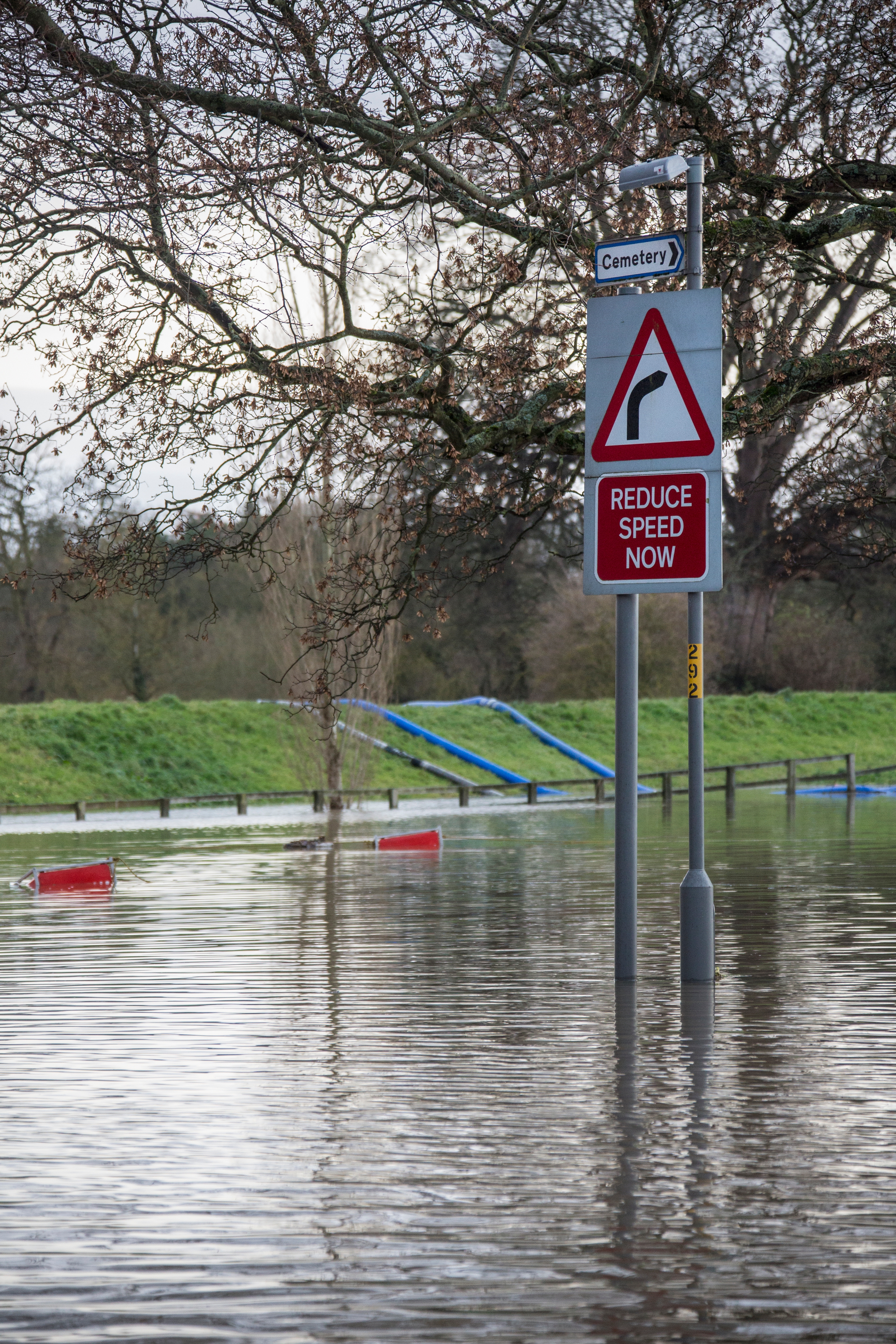
If your property flooded today, your homeowners carrier would not pay for structural repairs, damaged flooring, destroyed appliances, or the cost of temporary housing while your home is restored. Flood insurance exists specifically to fill that gap.
How to Check the Flood Risk at Your Address
Before buying a policy, it helps to understand what risk level FEMA has assigned to your property. FEMA's Flood Map Service Center allows any property owner to look up their address and identify whether it falls in a high-risk Special Flood Hazard Area, a moderate-risk zone, or a minimal-risk zone.
A few things worth knowing before you check:
- High-risk zones (labeled Zone A or Zone V) carry a mandatory purchase requirement if your mortgage is federally backed.
- Moderate- and low-risk zones still flood — FEMA estimates that more than 20 percent of flood insurance claims come from properties outside high-risk areas.
- Flood maps are updated periodically, and your zone designation may have changed since your home was purchased.
- Private flood insurers sometimes use their own risk models, which may result in different pricing or coverage terms than NFIP regardless of your FEMA zone.
Knowing your zone is a starting point, not a final answer. We can help you interpret what the map means for your specific property and what coverage level makes sense given your risk profile.
NFIP vs. Private Flood Insurance — Understanding Your Options
The National Flood Insurance Program, administered by FEMA, is the most widely available flood insurance option in the country. Most properties in participating communities — including those across Maryland, D.C., Virginia, Pennsylvania, Delaware, and Ohio — are eligible. NFIP policies are standardized, which means coverage limits and terms are consistent regardless of which agency writes the policy.
Private flood insurance has expanded significantly in recent years and now offers a genuine alternative or supplement to NFIP for many property owners. Private policies are not standardized, so terms vary by carrier — but they often provide higher coverage limits, shorter waiting periods, and additional living expense coverage that NFIP policies do not include.
Here's how the two options compare at a high level:
- NFIP: Federal backing, standardized coverage, maximum building coverage of $250,000 for residential properties, 30-day waiting period in most cases, widely accepted by mortgage lenders.
- Private flood: Higher coverage limits available, potentially shorter waiting periods, broader coverage options including loss of use, pricing varies by carrier and risk model.
- Excess flood: A supplemental policy that layers additional coverage above an NFIP policy's limits — useful for higher-value homes or investment properties.
Neither option is universally better. The right choice depends on your property's value, your lender's requirements, your flood zone, and your tolerance for risk. We work through those variables with you.
Who Needs Flood Insurance Across the Mid-Atlantic?
Flood insurance is relevant well beyond waterfront properties. Across the agency's licensed footprint, we regularly help clients who hadn't considered flood exposure until a conversation revealed otherwise.
Clients who benefit most from a flood insurance review include:
- Homeowners in tidal, riverine, or stormwater-prone areas in Maryland, Northern Virginia, and Delaware's coastal communities.
- Property owners in Pennsylvania's Susquehanna and Schuylkill floodplain corridors, where inland flooding from heavy rainfall is a recurring risk.
- Real estate investors holding rental properties or multi-family units where flood damage could interrupt income and trigger significant repair costs.
- Homeowners in moderate- or low-risk zones who carry a mortgage and want to close the gap their homeowners policy leaves open.
- Renters whose personal property would not be covered under a landlord's flood policy.
If you own, rent, or invest in property anywhere in the mid-Atlantic, a flood insurance review takes less time than you'd expect and answers questions most people don't know to ask.
Flood Insurance Questions We Hear Most Often
Does homeowners insurance cover flood damage?
No. Standard homeowners insurance policies exclude flood damage caused by water entering from outside the structure. This includes storm surge, overland flooding, and rising rivers or streams. Flood coverage requires a separate policy — either through the NFIP or a private flood insurer.Do I need flood insurance if I'm not in a high-risk flood zone?
You are not required to carry flood insurance if your property is in a low- or moderate-risk zone and your mortgage is not federally backed. However, FEMA data shows that a significant share of flood claims come from properties outside designated high-risk areas. If your property flooded, your homeowners policy would not respond — flood insurance would.How do I check my flood risk before buying a policy?
FEMA's Flood Map Service Center allows you to look up any U.S. address and identify its flood zone designation. Your zone affects whether flood insurance is required by your lender and may influence pricing, but private insurers sometimes use independent risk models that differ from FEMA's maps. We can help you interpret the results and identify which policy type fits your property.What is the difference between NFIP and private flood insurance?
NFIP policies are federally backed, standardized, and widely accepted by mortgage lenders. They cap residential building coverage at $250,000 and typically carry a 30-day waiting period. Private flood policies are issued by independent carriers, often provide higher coverage limits and shorter waiting periods, and may include additional living expense coverage. Some property owners carry both — an NFIP base policy with a private excess layer on top.How much does flood insurance cost?
Flood insurance pricing varies based on your property's location, flood zone, elevation, construction type, and coverage amount. NFIP introduced a new risk-rating methodology in 2021 that ties premiums more directly to individual property risk. Private flood pricing depends on the carrier's risk model. The most accurate way to understand your cost is to request a quote based on your specific address and coverage needs.
Get a Flood Insurance Quote from an Independent Agency
Grady, Wright & Associates has been an independent agency since 2000, which means we work with multiple carriers — not a single company's product line. We can place NFIP flood policies and access private flood markets, compare options side by side, and recommend coverage based on your property and your budget. Our licensed team holds AAI, CRIS, and LUTCF designations, and we serve clients across Maryland, Washington D.C., Virginia, Pennsylvania, Delaware, and Ohio from a single agency relationship.
If you're not sure whether your property needs flood coverage, or you want to understand what your current policy does and doesn't include, start with a quote request. We'll take it from there.