
Business Liability Insurance That Covers What Happens in the Real World
General liability insurance is the policy most businesses need first — and the one landlords, clients, and contracts ask for by name. At Grady, Wright & Associates, we help businesses across Maryland, Washington D.C., Virginia, Pennsylvania, Delaware, and Ohio get the right commercial general liability coverage in place without the guesswork.
What General Liability Insurance Actually Covers
General liability insurance, also called CGL insurance or commercial general liability, covers three core categories of risk that come with running a business:
- Bodily injury to a third party — A customer slips in your office, a visitor is hurt at your jobsite, or someone is injured during a service call. General liability covers medical costs and legal defense if a claim follows.
- Property damage you cause — Your crew damages a client's equipment. A contractor working on your behalf breaks something that wasn't theirs. General liability responds to the bill.
- Personal and advertising injury — Claims involving libel, slander, copyright infringement, or harm to someone's reputation tied to your business communications.
What it does not cover: your own business property, professional errors or omissions, employee injuries, or intentional acts. Those gaps are addressed through separate policies — commercial property, professional liability, and workers' compensation — which we can quote alongside your general liability coverage.

Which Businesses Need General Liability Coverage
Most businesses need general liability coverage from the moment they open. The exposure doesn't require a large operation or a high-risk industry — it comes with having customers, vendors, or a physical location.
Businesses that commonly carry general liability insurance include:
- Retail shops, restaurants, and service businesses with foot traffic
- Contractors, tradespeople, and construction firms
- Consulting firms and professional-services businesses that visit client sites
- Nonprofits that host events or serve the public
- Real estate investors and property managers with tenants or visitors on-site
- Any business that signs leases, vendor agreements, or client contracts
If your business interacts with the public in any form — or if you've ever been asked to provide a certificate of insurance — general liability is where that coverage starts.
Leases, Contracts, and Certificates of Insurance
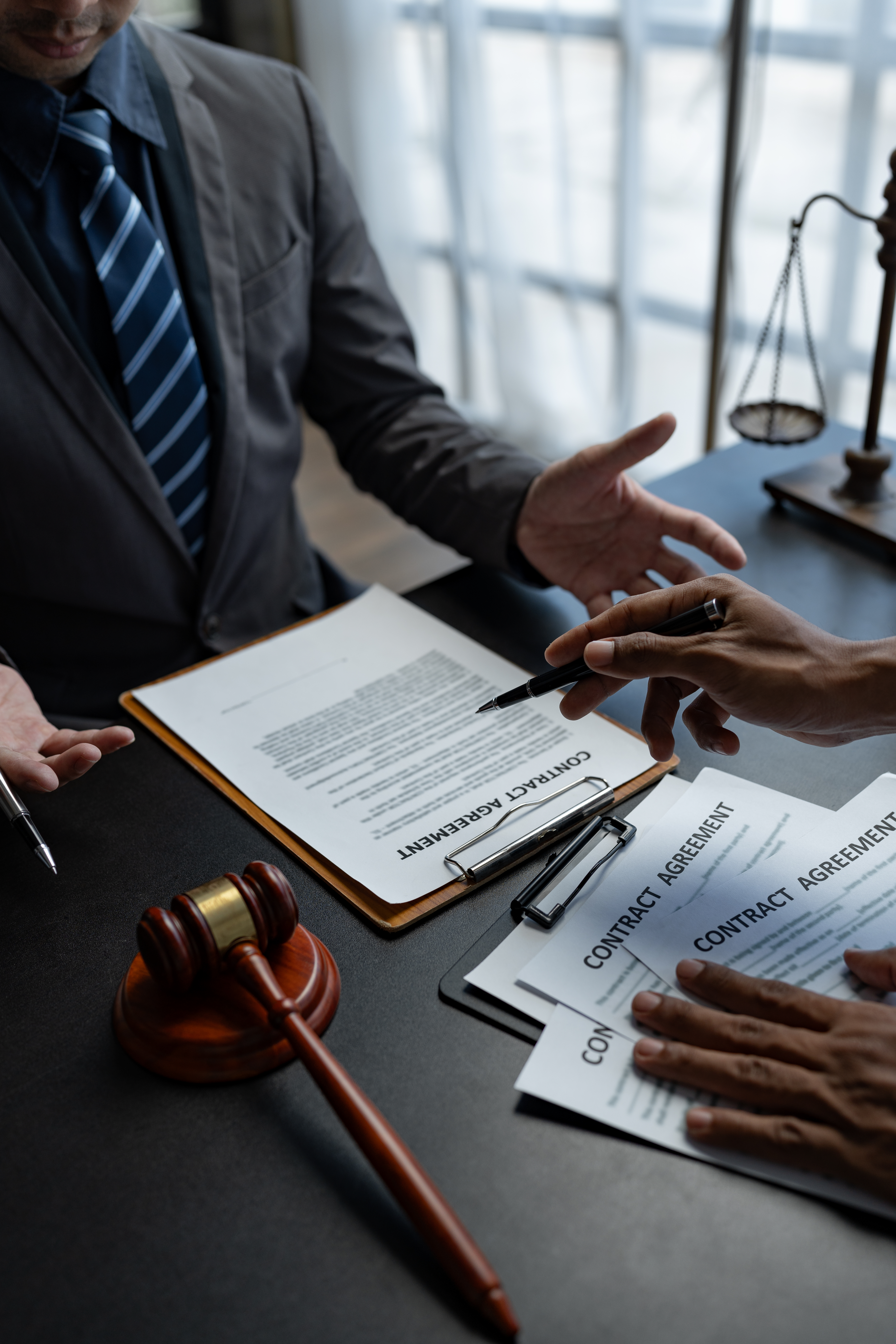
One of the most common reasons businesses come to us for general liability coverage is a requirement they didn't anticipate. A landlord won't hand over the keys without proof of coverage. A client contract requires a certificate of insurance naming them as an additional insured. A government contract or licensing application has a minimum liability limit built in.
General liability insurance is designed for exactly this situation. Once your policy is in force, we can issue certificates of insurance quickly — naming additional insureds, confirming coverage limits, and meeting the specific language your lease or contract requires. We've helped businesses across the mid-Atlantic get compliant before a deadline, and we know what landlords and contracting officers typically need to see.
If you're starting a new lease, bidding on a contract, or renewing coverage ahead of a renewal deadline, getting a quote now means you're ready when the paperwork arrives.
How General Liability Fits With Your Other Commercial Coverage
General liability is foundational, but it doesn't work alone. Most businesses end up with a coverage structure that layers CGL alongside other policies based on their specific operations and risk profile.
Common combinations include:
- General liability + commercial property — Often packaged as a Business Owner's Policy (BOP), this combination covers both third-party claims and your own business property in a single policy, typically at a lower combined premium than buying each separately.
- General liability + professional liability — If your business provides advice, services, or professional work product, general liability covers the physical and reputational risks while professional liability covers errors, omissions, and negligence claims tied to your work itself.
- General liability + workers' compensation — Required by law in most states for businesses with employees, workers' comp covers on-the-job injuries to your staff — claims that general liability explicitly excludes.
- General liability + cyber liability — Increasingly relevant for businesses that handle client data, process payments, or rely on digital systems. Cyber liability fills the gap that standard CGL policies leave open.
As an independent agency, we can quote and place all of these coverages — often with the same carrier or a coordinated set of carriers — so your policies work together rather than leaving gaps between them.
General Liability Insurance — Common Questions
What does general liability insurance cover for a small business?
General liability insurance covers bodily injury to third parties, property damage your business causes to others, and personal or advertising injury claims such as libel or slander. It does not cover your employees, your own property, or professional errors — those require separate policies. For most small businesses, it is the first and most essential commercial coverage to have in place.Do small businesses need general liability insurance?
Most do, yes — and many are required to carry it. Landlords routinely require proof of general liability before signing a lease. Client contracts and government work often specify minimum coverage limits. Even without a formal requirement, any business that interacts with customers, vendors, or the public faces the kind of third-party claims that general liability is designed to cover.How much does general liability insurance cost for a small business?
Premiums vary based on your industry, annual revenue, number of employees, claims history, and the coverage limits you select. A small professional-services firm may pay a few hundred dollars per year. A contractor or business with significant premises exposure will typically pay more. The most accurate way to know your cost is to request a quote — we'll compare options across our carrier markets to find competitive pricing for your specific operation.What is the difference between general liability and professional liability insurance?
General liability covers physical and reputational harm to third parties — injuries, property damage, and advertising claims. Professional liability, also called errors and omissions (E&O) insurance, covers claims that your work, advice, or professional service caused a financial loss or failed to meet the standard of care. Many businesses need both, particularly consulting firms, agencies, and licensed professionals who work directly with clients.Can I get a certificate of insurance the same day I purchase a policy?
In most cases, yes. Once your general liability policy is bound, we can issue a certificate of insurance promptly — typically the same business day. If your lease or contract requires a specific additional insured endorsement or particular policy language, let us know upfront so we can confirm those terms are in place before the certificate is issued.
Get General Liability Coverage Through an Independent Agency
Grady, Wright & Associates has been placing commercial liability coverage for businesses across the mid-Atlantic since 2000. As an independent agency, we work with multiple carriers — including Travelers and Progressive — to find coverage that fits your business, your budget, and any contractual requirements you're working against.
Whether you're purchasing general liability for the first time, shopping your renewal, or building out a broader commercial insurance program, we'll walk you through your options in plain language and get your coverage in place efficiently. Reach out by phone, text, or form — whichever works best for you.